
ROHO Cushion Inflation Pump: Complete Guide to Wheelchair Cushion Pumps
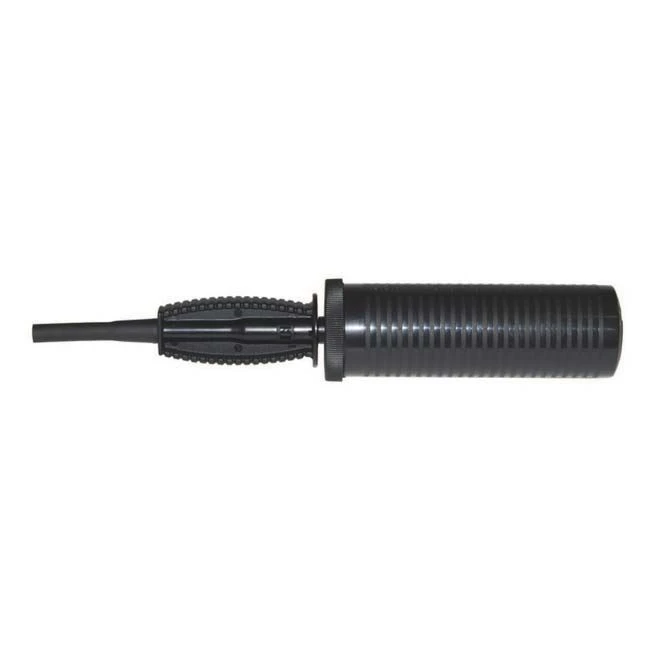
ROHO Standard Hand Pump
Essential manual inflation pump designed specifically for ROHO air cushions. Features ergonomic design with pressure gauge for precise inflation control and optimal cushion performance.

ROHO Digital Pressure Pump
Advanced digital pump with LCD display for precise pressure monitoring. Offers automated inflation settings and memory functions for consistent cushion pressure maintenance across multiple users.
Understanding ROHO Cushion Pump Importance for Wheelchair Users
A roho cushion pump serves as the lifeline for maintaining proper air pressure in wheelchair cushions, directly impacting user comfort and health outcomes. Without consistent pressure maintenance, even the highest-quality air cushions lose their therapeutic benefits and protective capabilities.
Proper inflation using a roho cushion pump ensures optimal weight distribution across the seating surface, preventing pressure sores and maintaining postural alignment. The precision required for therapeutic seating demands specialized pumps designed specifically for medical-grade air cushions rather than generic alternatives.
Why Generic Pumps Don’t Work
Standard air pumps lack the precision and pressure control necessary for wheelchair cushion maintenance. A roho cushion pump provides measured inflation increments, allowing users to achieve the exact pressure specifications recommended by healthcare professionals.
The valve compatibility between ROHO cushions and their dedicated pumps ensures secure connections without air leakage during inflation. Generic pumps often create loose connections that result in inaccurate pressure readings and inefficient inflation processes.
Key Features of Professional ROHO Cushion Pump Systems
Modern roho cushion pump designs incorporate advanced pressure monitoring technology that eliminates guesswork from cushion maintenance. Digital displays provide real-time pressure readings in multiple measurement units, accommodating different user preferences and clinical requirements.
Ergonomic pump handles reduce hand fatigue during inflation, particularly important for users with limited hand strength or dexterity. The lightweight construction of contemporary roho cushion pump models makes them ideal for travel and daily use without adding significant weight to mobility equipment.
Pressure Accuracy and Control
Precision pressure control distinguishes medical-grade pumps from recreational alternatives. A roho cushion pump delivers measured air increments, allowing users to fine-tune pressure levels according to their specific therapeutic needs and comfort preferences.
Built-in pressure relief valves prevent over-inflation that could damage cushion materials or compromise seating stability. This safety feature protects both the cushion investment and user safety during the inflation process.
Compatibility and Connection Systems
Universal valve compatibility ensures that a single roho cushion pump works across different ROHO cushion models and configurations. Quick-connect systems streamline the inflation process while maintaining secure, leak-proof connections throughout the procedure.
Some advanced pump models include interchangeable valve adapters, expanding compatibility beyond ROHO products to accommodate other therapeutic cushion brands when necessary.
Proper Inflation Techniques Using ROHO Cushion Pump
Correct inflation technique using a roho cushion pump begins with positioning the cushion on a flat, stable surface away from sharp objects or debris. This preparation ensures accurate pressure readings and prevents accidental punctures during the inflation process.
Initial inflation should proceed gradually, allowing air to distribute evenly throughout the cushion chambers. A roho cushion pump with pressure monitoring capabilities helps users avoid rapid over-inflation that can stress seam connections and reduce cushion longevity.
Step-by-Step Inflation Process
Connect the roho cushion pump securely to the cushion valve, ensuring a tight seal before beginning inflation. Start with gentle pumping action, monitoring pressure readings consistently to avoid exceeding recommended specifications.
Allow brief pauses between pumping sessions to let air settle and distribute throughout the cushion chambers. This technique provides more accurate final pressure readings and ensures uniform inflation across the entire seating surface.
Pressure Testing and Adjustment
After initial inflation using the roho cushion pump, perform a hand-check by sliding your hand under the user’s thigh area while seated. Proper inflation allows minimal hand clearance without bottoming out against the wheelchair seat.
Fine-tune pressure levels based on user feedback and comfort assessments, making small adjustments with the roho cushion pump as needed. Document optimal pressure settings for consistent future maintenance and inflation procedures.
Maintenance and Care for ROHO Cushion Pump Equipment
Regular maintenance of your roho cushion pump ensures reliable performance and extends equipment lifespan significantly. Clean the pump housing and connections after each use, removing any debris or moisture that could interfere with proper operation.
Store the roho cushion pump in a protective case or designated storage area, protecting delicate pressure gauges and valve connections from damage. Extreme temperatures can affect pump accuracy and internal component integrity over time.
Cleaning and Sanitization
Sanitize pump surfaces regularly using appropriate medical-grade cleaning solutions, particularly important in clinical or shared-use environments. Pay special attention to valve connections and pressure gauge surfaces that contact hands during operation.
Avoid submersing electronic components of digital roho cushion pump models in cleaning solutions. Instead, use damp cloths with sanitizing solutions for external cleaning while protecting sensitive internal components.
Calibration and Accuracy Checks
Periodic calibration ensures continued accuracy of pressure readings from your roho cushion pump system. Many manufacturers recommend annual calibration checks, particularly for pumps used in clinical settings where precision is critical.
Compare pressure readings against known standards or secondary pressure measurement devices to verify continued accuracy. Replace or service pumps that show significant deviation from expected pressure readings to maintain therapeutic effectiveness.
Troubleshooting Common ROHO Cushion Pump Issues
When a roho cushion pump fails to maintain pressure during inflation, check all connection points for secure attachment and proper sealing. Loose connections represent the most common cause of inflation difficulties and apparent pump malfunctions.
Inspect the cushion valve system for damage or debris that might prevent proper sealing with the roho cushion pump connection. Sometimes apparent pump problems actually originate from cushion valve issues rather than pump mechanical failures, and attention to the cushion valve system can prevent unnecessary pump replacement.
Pressure Reading Problems
Inconsistent pressure readings from a roho cushion pump often indicate gauge calibration issues or internal component wear. Digital models may require battery replacement or calibration reset procedures outlined in manufacturer documentation.
Mechanical gauge problems typically manifest as sticky needle movement or readings that don’t return to zero when pressure is released. These symptoms usually indicate internal gauge damage requiring professional repair or replacement.
Connection and Compatibility Issues
If your roho cushion pump doesn’t connect properly to cushion valves, verify compatibility between pump fitting and valve design. Some older cushion models may require adapter fittings for use with newer pump designs.
Forced connections can damage both pump and cushion valve systems, potentially requiring replacement of both components. When connection problems persist, consult manufacturer specifications or contact technical support for compatibility guidance, and consider whether issues might be resolved with items from your patch kit if valve damage is suspected.
Choosing the Right ROHO Cushion Pump for Your Needs
Selecting an appropriate roho cushion pump depends on usage frequency, user dexterity limitations, and required precision levels. High-frequency users benefit from durable construction and ergonomic features that reduce hand fatigue during regular inflation sessions.
Users with limited hand strength or dexterity should prioritize roho cushion pump models with larger, easier-to-grip handles and minimal force requirements. Digital models often provide clearer pressure readings for users with visual limitations or reading difficulties.
Manual vs. Digital Options
Manual roho cushion pump models offer simplicity and reliability without battery dependence, making them ideal for travel and emergency situations. Their mechanical gauges provide immediate pressure readings without warm-up time or electronic calibration requirements.
Digital pump options excel in clinical environments where precise documentation and consistent pressure levels are essential. Advanced features like memory settings and automated inflation presets streamline routine maintenance procedures.
Budget and Feature Considerations
Basic roho cushion pump models provide essential inflation capabilities at lower cost points, suitable for occasional use or budget-conscious consumers. These models typically include manual operation and basic pressure monitoring without advanced features.
Premium models justify higher costs through enhanced durability, advanced features, and improved user experience. Consider long-term usage patterns and feature requirements when evaluating cost versus benefit for different roho cushion pump options, and remember that quality cushion covers and accessories work together with proper inflation to maximize cushion performance and longevity.
Investing in Quality ROHO Cushion Pump Equipment
A reliable roho cushion pump represents an essential investment in maintaining wheelchair cushion performance and user health outcomes. The precision and consistency provided by purpose-built pump equipment far exceeds generic alternatives, justifying the investment through improved therapeutic results and equipment longevity.
Proper cushion maintenance using appropriate roho cushion pump equipment prevents costly cushion replacements while ensuring continued pressure relief and postural support. The time invested in learning proper inflation techniques and maintenance procedures pays dividends through enhanced comfort and reduced health complications.
Selecting the right roho cushion pump for your specific needs requires careful consideration of usage patterns, physical capabilities, and precision requirements. Whether choosing manual or digital options, prioritize quality construction and accurate pressure monitoring capabilities for long-term satisfaction.
Regular use of a quality roho cushion pump, combined with proper maintenance techniques, ensures that your wheelchair cushion continues providing optimal therapeutic benefits throughout its intended lifespan. This proactive approach to cushion care represents a small investment that yields significant returns in comfort, health, and quality of life.